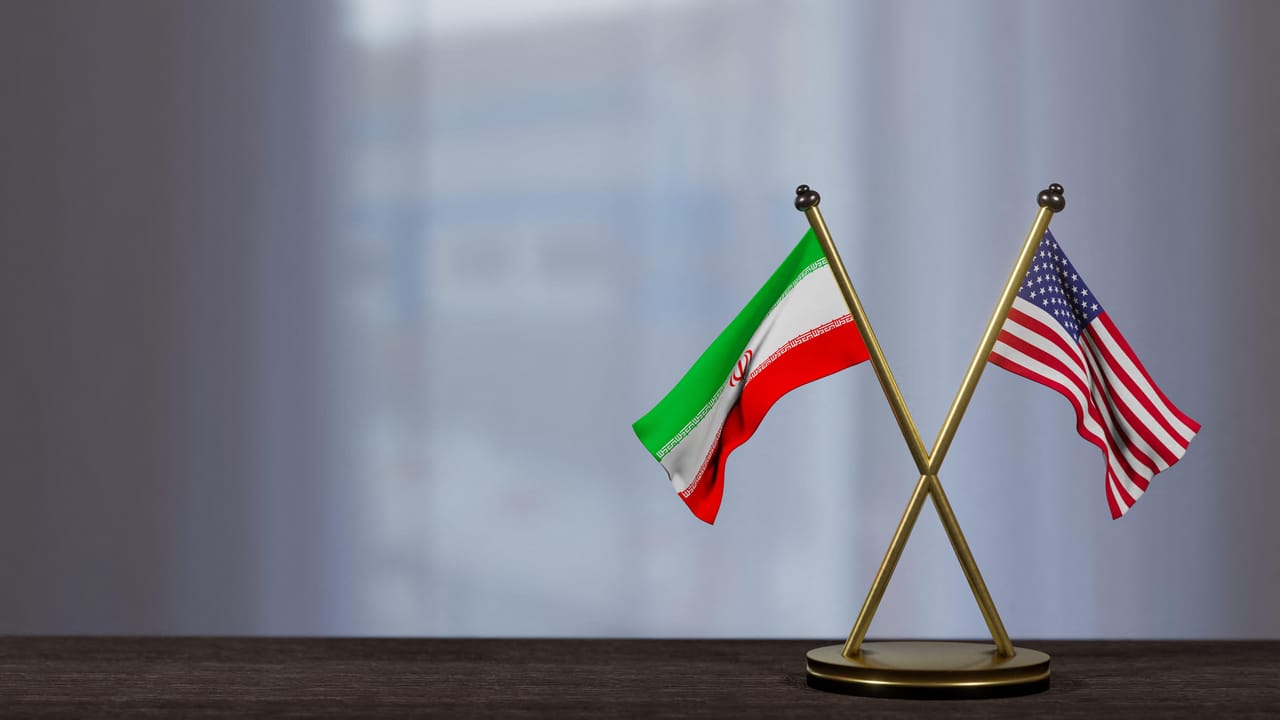
Handala, Iran's most well-known false-flag hacktivist group, said it would join a temporary ceasefire This article explores threats worse ceasefires. . History shows that ceasefires don't usually stop or slow down cyber activity during real-world conflicts.
Even though they said they would, it's still too early to say if Handala or Iranian APTs will stop or slow down any cyberattacks. Cyber threats often get worse even when there are ceasefires because the people who are fighting use them as chances to get back at each other and gain an advantage in talks. The U.S. and Iran recently agreed to a short truce in the ongoing war between the two countries. U.N. Secretary-General Ban Ki-moon's peacekeeping mission to the Middle East, which ends on May 15th, says that the truce should last until the end of the month.
The ceasefire should last through the Arab Spring, which started in March 2013, and the French presidential elections that are coming up. There was a big rise in attacks during this time. Threat actors see diplomatic breaks as just technicalities, so they can move their attention to other targets or allies without breaking military agreements.
Mueller thinks that cyber threats will become more widespread and serious. The fact that these attacks are only happening in certain areas is likely to change. He thinks that the conflict will get bigger and bigger, especially in North America, Europe, or any country that supported it. The New York Times said that cybersecurity researchers did not find any phishing emails or probes aimed at the United States during this time.
After the talks were over, bad behavior started up again, but it was slower than before. It didn't get back to the level it was at before the talks until Donald Trump canceled the deal. Check out the latest episode of ZeroOwl Confidential: Here's why security bosses are on board with AI.
In this talk, they talk about how security operations centers (SOCs) are using AI and machine learning.