


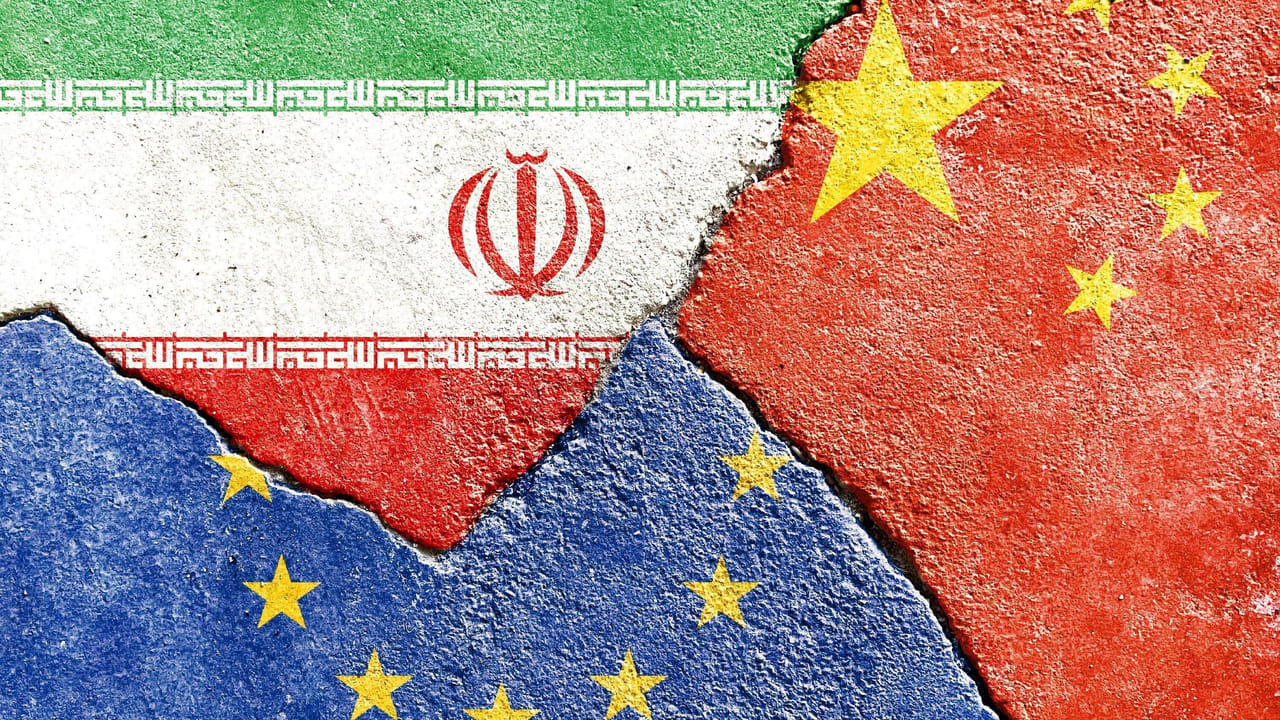
The European Council has put sanctions on three companies that are supposedly private—two in China and one in Iran—for helping with and carrying out cyberattacks in European countries. Integrity Technology Group is one of the two companies based in China. It is a mid-sized publicly traded company.
It was discovered that it regularly sold products that hackers used to break into devices in Europe and around the world. The European Council said that between 2022 and 2023, it was linked to 65,000 hacked devices in six EU countries.
Anxun Information Technology, better known in the West as "iSoon," is the most well-known of the group. ISoon is a hack-for-hire business that says it trains people in cybersecurity, but it has worked for the Chinese government and military. The council made it official in May 2019 how the sanctions would work in practice.
Sanctions were the most powerful of these levers. Since then, it has used those penalties against 19 people and seven organizations. For some of those groups, sanctions have a real, serious cost. Integrity Technology Group, for example, is listed on the Shanghai Stock Exchange and makes tens of millions of dollars a year.
It has about 500 employees.
Morin says that "legitimate businesses, partners, and customers will cut ties to avoid regulatory reprimand."




