


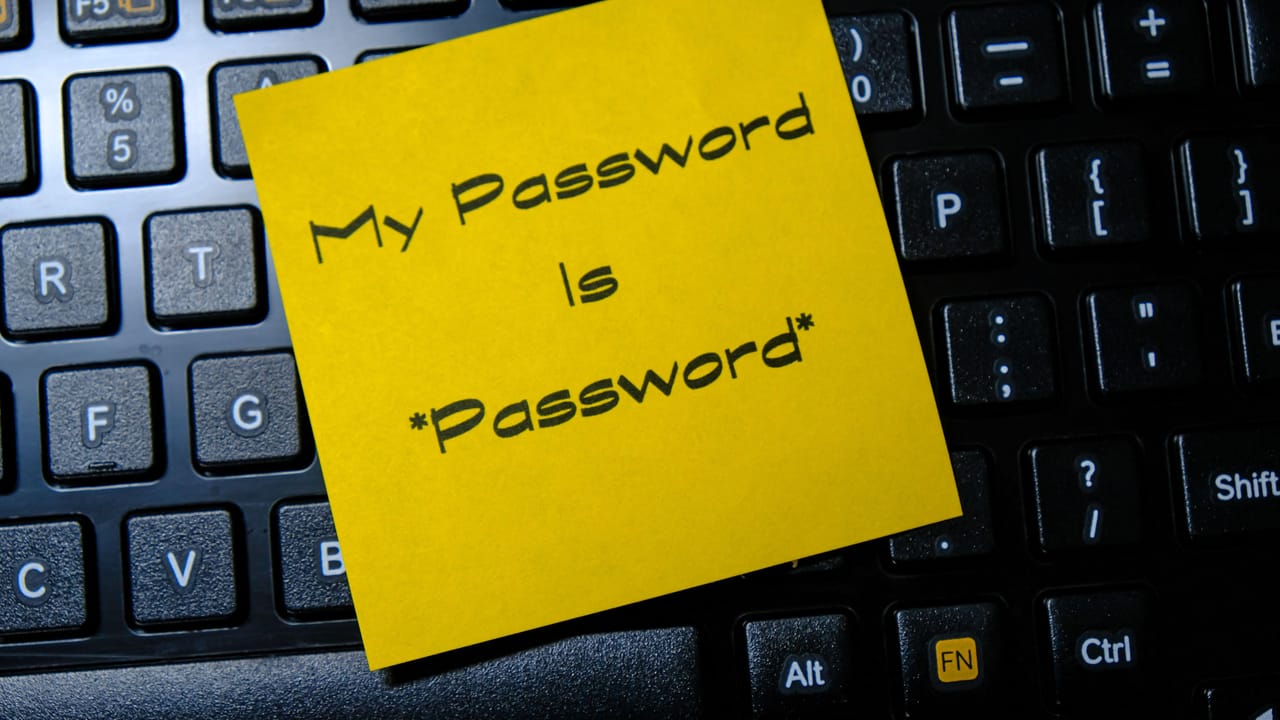
For four years in a row, ransomware groups went after manufacturing the most This article explores passwords safe uses. . Both have environments full of old technology, can't afford to be down, and still use bad password management.
Experts say that plant operators and doctors often share passwords or don't use any passwords at all, which is a dangerous thing that happens in both fields. Attackers can steal credentials, get in, and cause long-term problems more easily if you use simple, reused, or compromised passwords. As systems become more connected, especially in manufacturing, it's important to improve password hygiene. Using legacy technology in factories and hospitals can make it harder to keep passwords safe because it uses old or no longer supported software that doesn't have modern authentication protocols.
The systems are old because those functions are too important to stop working while they are being upgraded. Caldwell says, "Even the plant I started in, which is still there today, has some of the same technology that I put in when I was there." Manufacturers can start by making it easier to keep an eye on login activity that looks suspicious.
One way to change people's minds about security is to talk too much about the risks of not keeping passwords safe. Coady says, "I think doctors have come a long way in the last ten years, but if you went back to not having a password, they would absolutely do it in a minute."
"We're not keeping an eye on it with that mindset, and we don't have the history to say something funny is going on and shut it down quickly," she says. "Is this something you want to do?" asks CoadY.
"I think operators and doctors know they might be opening a risk vector, and they should ask themselves, 'Is this something I want to do?'" Caldwell says, "We don't want to have to worry about what people are doing with our equipment."




