


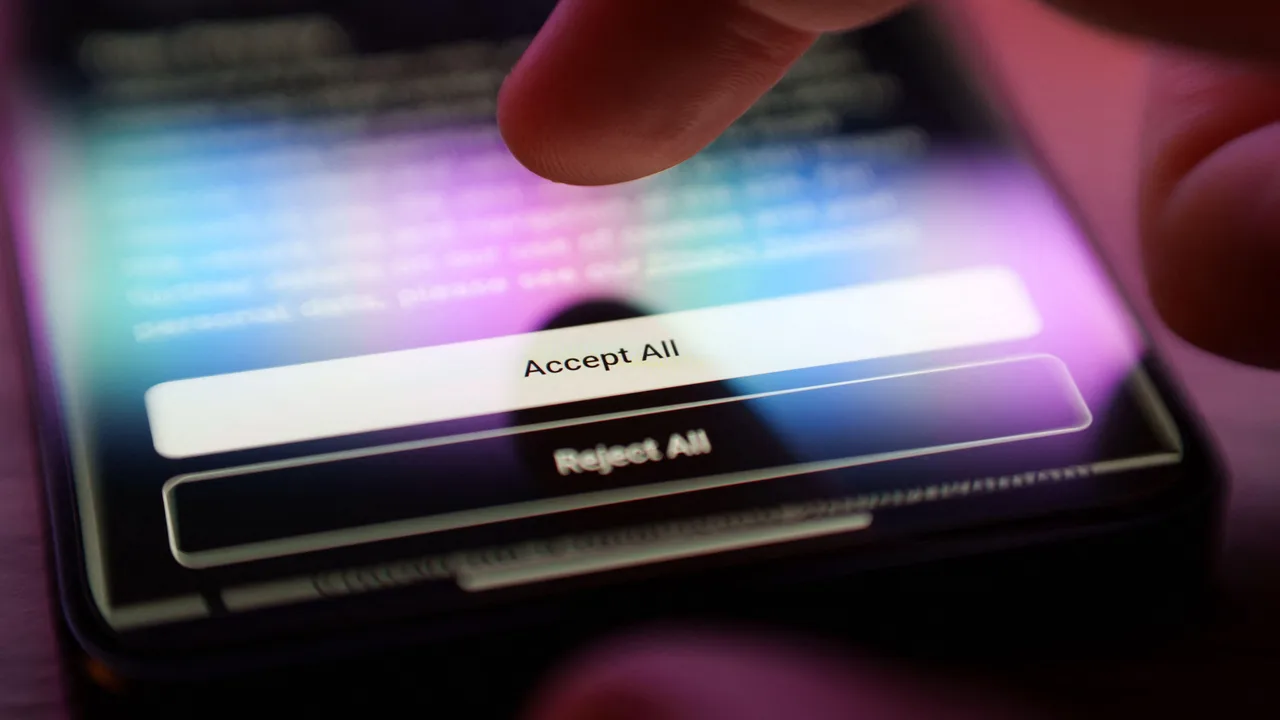
"No reject" cookie banners This article explores concerns sneaky saas. . subscriptions with a free trial that are ridiculously hard to cancel.
options for hidden refunds. false requests for email access. Every year, the list of dark patterns—deceptive UI designs that straddle the boundary between malevolent and benign—gets longer. Related: Cultures of Healthy Security Encourage People to Report Dangers According to Blasco, "the problem with that is if an attacker gets access to a Google account, the MFA code can be accessed."
"An attacker can easily take advantage of that." According to Blasco, Postman made a similar adjustment when the cloud subscription was pushed by the API platform.
Users had credentials in a third party without their consent, and API keys kept on local desktops were abruptly transferred to the cloud. He continues, "Postman didn't even speak with the users to make sure they understood security concerns." ## "Sneaky" SaaS Firms Another dark pattern-related risk of "shadow software-as-a-service (SaaS)" was recently noted by Nudge Security.
According to their blog post, "sneaky pricing surprises, forced featured bundling, and difficult account cancellations" are typical SaaS dark patterns. "In order to accomplish this, they optimize and eliminate obstacles, allowing the product to fulfill its objective of increasing transactions and app usage," he says. Sadly, vendors occasionally view privacy and security as obstacles.
As a result, the incentive is ambiguous.On its own, a dark pattern isn't always harmful; it's a gray area. Verasafe's Strachan cautions that good organizations employ dark patterns. Marketers can employ shrewd strategies, but they must be mindful of the boundaries and avoid crossing them.





