


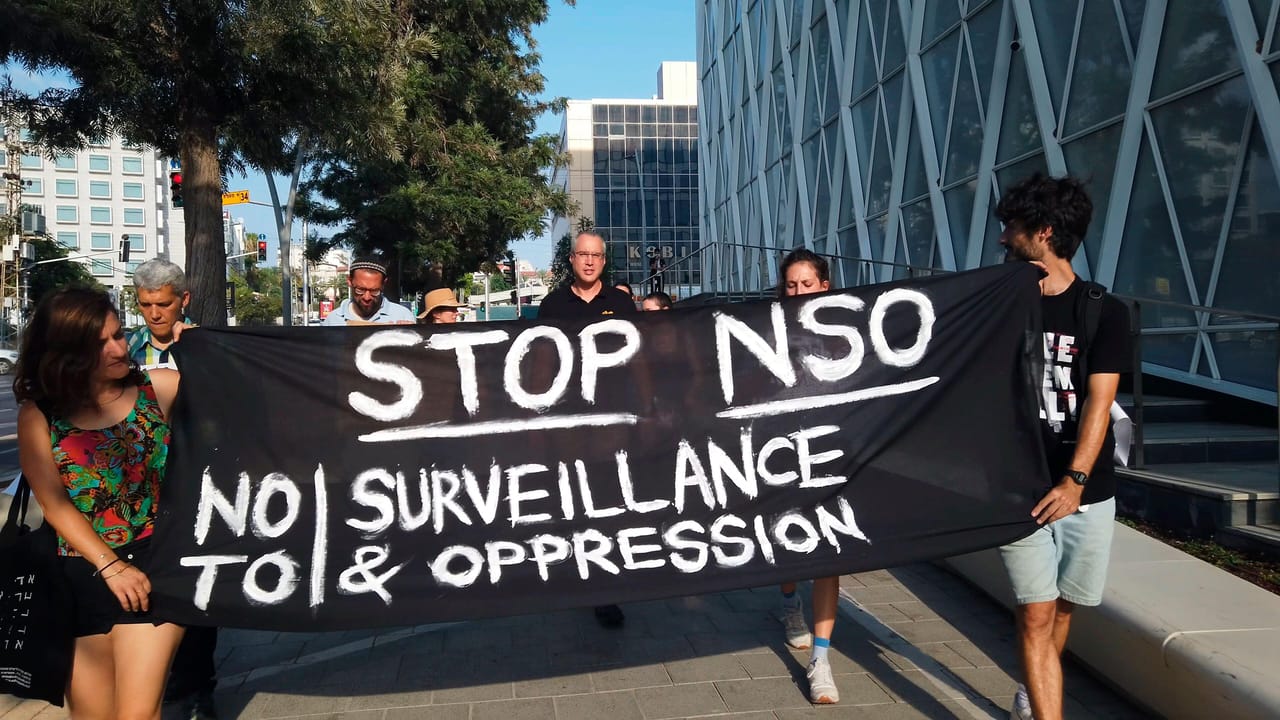
The fight against commercial spyware may be going in the wrong direction, even though there was a big legal win recently This article explores fight spyware industry. . Spyware vendors over the past several years have been hit with economic sanctions, expensive lawsuits, increasing pressure, and even bans by governments, which provided some hope to security researchers and digital rights advocates that the industry was on its heels.
Experts say that spyware is a threat not only to journalists, human rights activists, and government officials who are often attacked, but also to cybersecurity in general, because their zero-day exploits can be used by other threat actors to launch bigger attacks.
Last month's conviction of four people, including Tal Dilian, the founder of the spyware company Intellexa, in the Predatorgate scandal was probably the best news yet in the fight against the spyware industry. A Greek court found Dilian and three other people guilty of several crimes related to Predator spyware attacks on journalists and political candidates that were found in 2022. Also see: Chinese Nexus Actors Change your focus to Qatar because of the conflict with Iran.
But without warning, the Treasury lifted some of those sanctions without giving a reason. "We were all shocked when they took them away," De Dora says.
"I'm very worried right now about spyware and the US government, but we're not at a point where everything is being rolled back yet." Other people who are against spyware were also shocked by the lifting of sanctions, and they haven't been able to get any answers. Maria Villegas Bravo, a lawyer at the Electronic Privacy Information Center (EPIC), says, "There's no transparency into why this happened or what's going on there."
What might be even more troubling is that Hamou was found guilty in the Predatorgate trial in Greece just a few weeks after her punishments were lifted.
In January, the NSO Group also put out a transparency report in which Friedman promised "a renewed focus on accountability in an increasingly complex global environment." Villegas Bravo, on the other hand, says the report is "more of a propaganda document" that made big promises but didn't go into much detail about how they would change their operations or strategy, and it didn't talk about past human rights abuses or cyberattacks. Not only civil society groups, but also some lawmakers see the end of NSO Group sanctions as a red line.
People who are against spyware are quick to point out that Pegasus spyware has been found on the devices of US government officials. Even though NSO promised to do something about it, its activity hasn't changed.
Natalia Krapiva, Access Now's senior tech legal counsel, tells ZeroOwl that her company is still seeing a lot of Pegasus activity through reports from victims and research done by other groups. "NSO Group is still very busy.
"You're also seeing the government not do anything else about spyware." In November 2025, Villegas Bravo wrote a report for EPIC called "The Fight to Protect Our Phones: A Multi-Prong Approach to Spyware Reform" that was more positive. But recent events have her "very concerned."
White says that if the US has quietly changed its spyware policy and plans to work with these companies, Amnesty International and other groups will work more closely with governments in the EU and other places that have been more against the threat. For now, people who are against spyware will try to use the Predatorgate convictions to their advantage as much as they can.
"Before, the industry could do whatever it wanted without any consequences. This shows that there are consequences," White says. "It shows that these companies can only be held accountable if the government wants to and the courts are free."




