


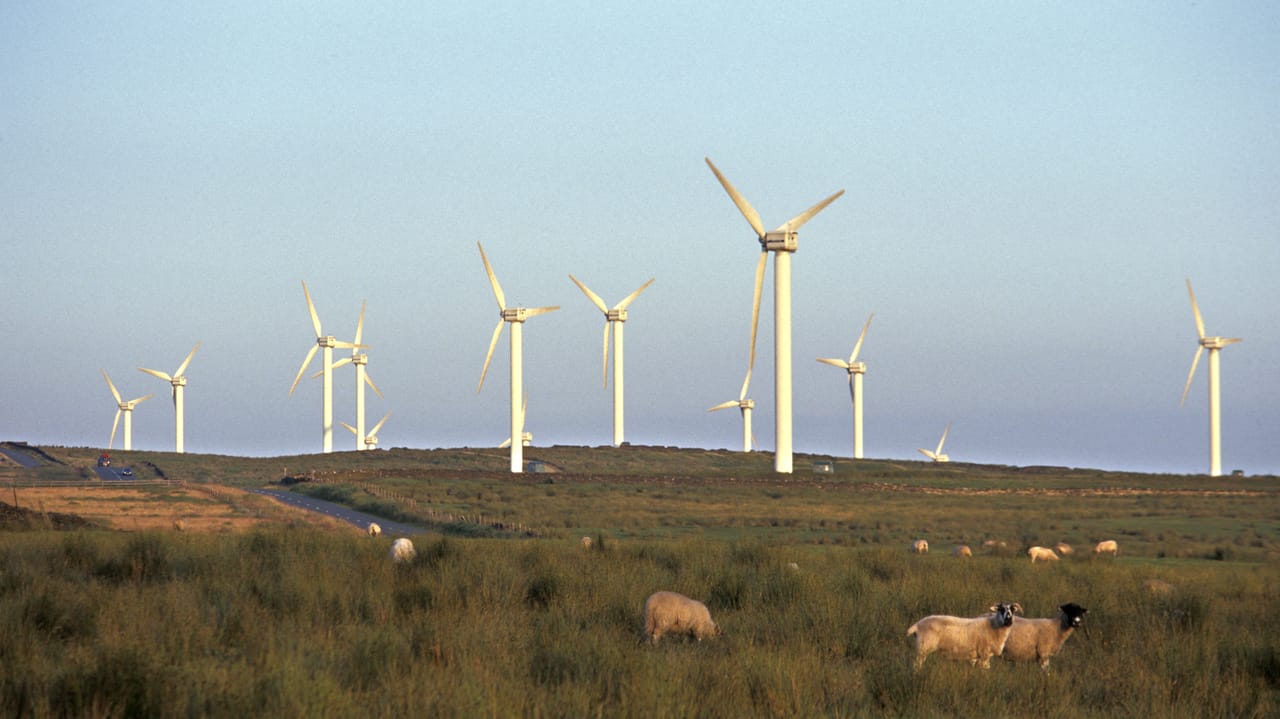
Despite its failure, the late-last-year attack on Poland's energy sector was the first significant assault on decentralized energy resources (DERs), such as solar farms and wind turbines This article explores attack related zerodayrat. . Attackers used wiper attacks against over thirty renewable energy farms, a private manufacturing sector company, and a combined heat and power plant in Poland on December 29 and 30, 2025.
Although the attack was unsuccessful, according to Polish Prime Minister Donald Tusk, it was reportedly one of the most severe cyberattacks the nation had seen in recent memory. On January, CERT Polka released a report specifically about the attack.
Related: ZeroDayRAT Is 'Textbook Stalkerware' in Bypassing MFA "It could have been catastrophic for the system if this same type of attack had occurred in the US, Australia, or some regions of Europe, like the Nordics, where they are much more DER heavy," Lee says. For instance, if they had launched the same kind of attack in some areas of the United States, it might have resulted in a series of electrical system failures.Lee also acknowledged the numerous allusions to entities and clusters of threat activity, including Berserk Bear, Electrum, Sandworm, and Russia.
According to him, there are several attributions from various sources with differing degrees of confidence that generally point in the same directions because vendors and researchers approach attribution and threat cluster definitions differently. ## Strengthen Your Overtime Defenses The attack brought attention to the energy sector's constant threat of attack. A security alert was released in February by the Cybersecurity and Infrastructure Security Agency (CISA).





