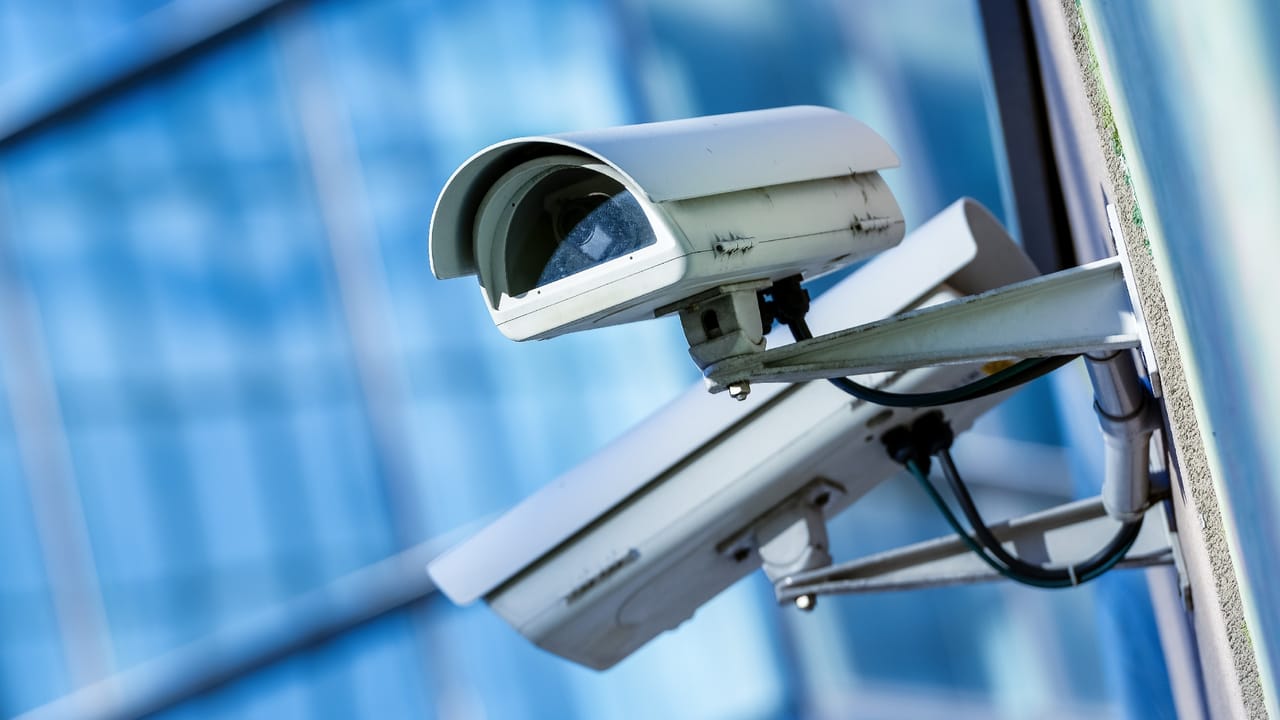
Reports say that Israel and the US took over Iran's network of traffic cameras to keep an eye on the movements of Iranian leader Ayatollah Ali Khamenei This article explores attacks ip cameras. . Iran's response was to step up its efforts to get spies into Israel, Qatar, Bahrain, Kuwait, the UAE, and Cyprus.
Noam Moshe, a lead vulnerability researcher at Claroty, says that the change in focus shows that attacks on IP cameras have changed from being able to show a weakness to using the connected devices for botnets. "I really do think there has been a shift ... to actually exploiting and controlling these devices, both for military and intelligence reasons," Moshe says.
Sergey Shykevich, threat intelligence manager at Check Point Research, says that the growing use of nation-states as a cheap way to set up a base in an enemy's country shows that organizations need to take the threat seriously. According to Silas Cutler, a principal security researcher at Censys, most insecure devices that are connected to the internet are self-managed consumer devices. Check Point's Shykevich says that businesses should scan their own IP address ranges to find devices that aren't protected and fix the ones they do know about.
He also says that putting IoT devices behind perimeter protections like firewalls with intrusion prevention features adds another layer of security.
Cutler says, "Once an attacker finds an exposed camera, they often need to do more research to figure out exactly where the camera is watching." Shy Kevich says, "To lower risk, businesses should keep their cyber hygiene high by regularly patching systems and enforcing strong password policies." He says, "It's important to know that when cameras are found through scanning, it takes time and analysis to get them ready for use."
He also says that companies do have time to make an attack less damaging.